

































Accelerated Resolution Therapy®
Moving Beyond Trauma
Accelerated Resolution Therapy works directly to reprogram the way in which distressing memories and images are stored in the brain so that they no longer trigger strong physical and emotional reactions.
Proven Effective In Treating
- Post-Traumatic Stress (PTSD)
- Phobias
- Depression
- Anxiety
- Grief
- Addiction
What Is ART?
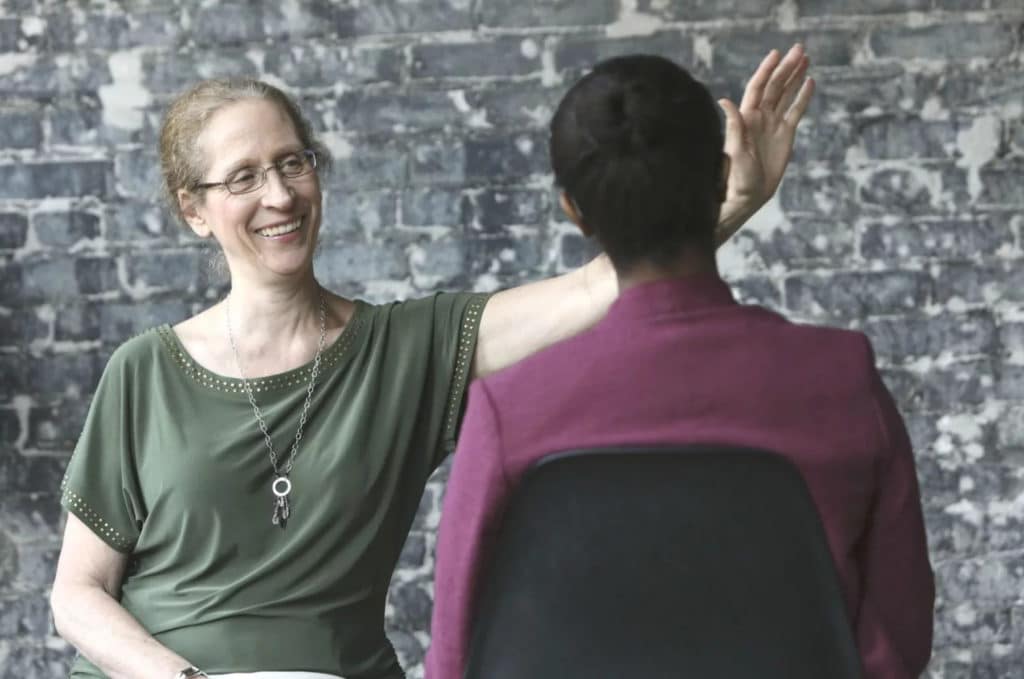
A unique psychotherapy that guides clients to replace the negative images behind post-traumatic stress with positive ones.

How ART Works
It reprograms how distressing memories are stored in the brain, so they no longer trigger strong physical reactions.


The Founder
Meet ART Founder Laney Rosenzweig
Laney has been a Licensed Marriage and Family Therapist for three decades. Alongside her private practice, Laney trains licensed mental-health professionals in the use of ART.
Email laney@ARTworksNow.com to contact the founder directly.
TEDx
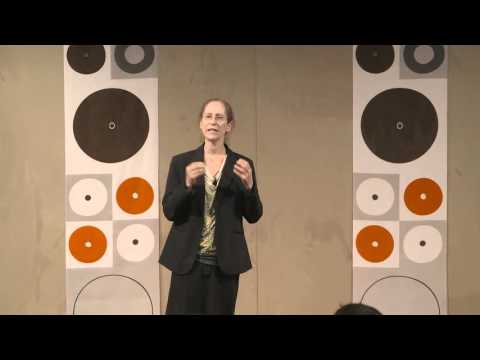
Laney Rosenzweig — TEDx Springfield
Laney’s Book
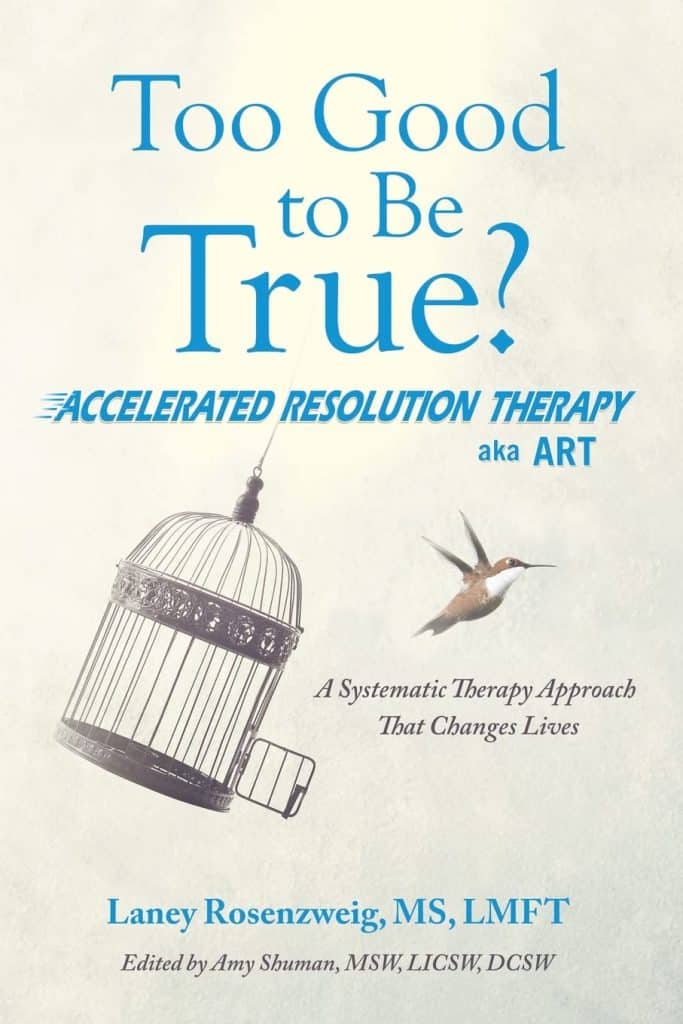
How ART can help clients make astonishing life changes — often after only one session.
Laney’s autobiographical story explaining how ART was created, and how it has helped clients with all different types of problems lead more meaningful lives.
Read a sample on: Amazon Barnes & Noble
Watch
ART, in their own words
Real programs, real science, real recovery — a few minutes each.
4:02
Warrior Wellness Program & ART
Helping those who’ve experienced trauma
3:18
What’s ART? — now at CHR
Positive change after just one session
5:10
Greenlight Therapy: Brian’s Story
A security officer overcomes a painful memory
From the Blog
Latest from the ART Blog
News, research, and stories from the ART community.

June 2026
Using ART for Performance Anxiety: Helping Athletes Reconnect with Confidence, Focus, and Flow
December 2025
Can Accelerated Resolution Therapy® (ART) Help Reverse Trauma-Related Cognitive Decline?

Testimonials
Lives changed by ART
Over my 40+ year career in public health, I’ve served on the stress management faculties at the Pentagon, the University of Maryland, and the International Critical Incident Stress Foundation (which serves military, first responders, and mental health professionals that serve them). I’m a West Point graduate and retired military, as well. I’ve written 14 books on stress related topics, translated into 17 languages, on the nature and treatment of PTSD, healing from toxic childhood stress (pictured below), resilience, depression, anxiety, and self-esteem. I first learned about Accelerated Resolution Therapy when reading the research showing that it was having impressive and rapid results with our military. I was so impressed that I observed the training for therapists. My opinion is that ART is perhaps the most well-conceived and effective of the various treatment options for treating trauma. ART practitioners accomplish in a very few sessions what other evidence-based treatments might take months to years to accomplish. ART recognizes that much of trauma memories are not stored in the verbal, logical left brain, but in the right brain (as images), with its deep connection to the emotional and survival regions of the brain. Consistent with new body-oriented approaches, ART uses eye movements to settle dysregulated arousal, then erases and replaces disturbing images, and finally helps clients transition to a more positive future. Although I am not in private practice, I would consider ART the treatment of choice for adult and childhood trauma and am very impressed by it. I have included its description in my most recent book on recovering from adverse childhood experiences. I wish more people knew about it. Sincerely, Glenn Glenn R. Schiraldi, Ph.D., Lt. Colonel (USAR, Ret.) University of Maryland School of Public Health (Ret., presently adjunct) Resilience Training International (www.ResilienceFirst.com) Author: The Adverse Childhood Experiences Recovery Workbook; The Resilience Workbook; The Self-Esteem Workbook; The Post-Traumatic Stress Disorder Sourcebook; World War II Survivors: Lessons in Resilience; and nine others
Glenn R. Schiraldi. Ph.D
My name is Dawn and I work at a women's residential MICD facility. I took the basic ART training course in October of 2022. I just want to take a moment to thank you for the opportunity to bring ART to my clients. Before learning ART, I was at a loss for how to help so many of my clients. A majority of the clients I see have a PTSD diagnosis and with only seeing them for about 4 weeks there was not much I could do to help them other than helping them learn coping skills. Since being trained in ART I have been able to help so many clients resolve issues they have had since childhood. It feels magical at times. My clients agree. We have had far less clients leave without completing the program since bringing ART into our program. Thank you and have a great day! Dawn Bunke, MA, LPCC, LADC Licensed Mental Health Clinician, Licensed Addiction Counselor Chaska, MN. 55318
Dawn B
I have struggled with mental illness since I was a young child. I had undiagnosed ADD, and I struggled with severe anxiety and depression. I faked being okay for a long time till I had a severe breakdown when I was 12 after surgery on my abdomen. I struggled with suicidal ideation and self-harm. With medication, I eventually got somewhat better. I didn't struggle with those particular issues when I was on medication but I still had a lot of problems and I still was not happy. Things, as expected, got worse when covid happened. I didn't relapse into self-harm or suicidal ideation but despite that, it was still maybe even worse than when I was 12. I was on 80mg of Prozac and I was on hydroxyzine since I was 13 maybe 14. When I was fifteen I was diagnosed with ADD. I had continuous therapy but things were still getting worse no matter what I did. I would have daily mental breakdowns in the spring of my junior year. I had medical issues (which wasn't new for me) but I would end up in the nurse's office on a daily basis for both them and anxiety problems. I could no longer manage my health. I started taking hydroxyzine for sleep. If the nurses didn't send me home for my health problems the counselors would send me home because I simply could not stop crying, and I could not function. I finished the school year and things were still not great in the summer. I didn't have daily breakdowns as I didn't have to force myself to function but they were still frequent. I had signed up and paid for the SAT but I never showed up because I could not stop crying and I had such severe anxiety. My mother did not think she would even get me into school on the first day of my senior year. This is where things finally started to get better. My mom had a friend with anxiety issues and practically overnight she had gotten noticeably better. My mom was at her wit's end trying to help me before school started so she asked her friend what had changed. She pointed us in the direction of her ART therapist. I thought it sounded crazy and like a bunch of hogwash. However, at that point, I was willing to try anything. I had given up hope that things were ever going to get better. My intake was scheduled the day before school started in September. I met all the criteria for PTSD in my intake. Afterward she gave me 15 minutes of the actual therapy. I felt better after just that and I managed to make it through all of school the next week and I only had one or two nightmares that week as opposed to the nightly nightmares I had previously. It was a drastic and quick change and I was afraid it wouldn't stick. Long story short, I was off both hydroxyzine and prozac by the new year. A week after my last dose of Prozac she reassessed me for PTSD and I no longer met the criteria despite meeting all criteria on my previous dose of 80mg of Prozac. She changed my diagnosis from PTSD to Adjustment disorder. It was such a drastic change over a span of a few months that doctors and school counselors are now advising their patients and students in the direction of this therapy in my community. I know my school counselor is now pursuing training in this therapy. This therapy gave me my life back. I was a complete skeptic as it seemed way too good to be true. However, I gave it a try out of pure desperation and it has changed my life.
Lydia Perl
For clinicians
Get trained to deliver ART.
Licensed mental-health professionals can become ART-trained through our structured, multi-level certification — taught live by master trainers.
As featured with